


The Strange Disconnect Between Modern Living and Healthy Homes
There was a time when kids only came inside because the porch light flicked on.
We spent entire summers outdoors.
Riding bikes.
Climbing trees.
Building forts.
Drinking from the garden hose.
Running barefoot through the grass until our knees were scraped up and dirty.
Nobody needed reminders to “go outside.”
It was just called life.
You left the house in the morning and came back when the day was done—sunburned, grass-stained, exhausted, and happy.
And honestly?
Most of us remember those years as some of the best feelings in the world.
Growing up, my sister and I spent nearly every summer day outside with our cousins. We played beneath giant weeping willow trees that felt like magical hiding places to us back then. We built forts out of overgrown bushes, caught frogs in the pond, and chased each other down the dead-end road to see who could make it back to the house first.
We stayed outside so long our skin turned bronze from the summer sun.
And at night?
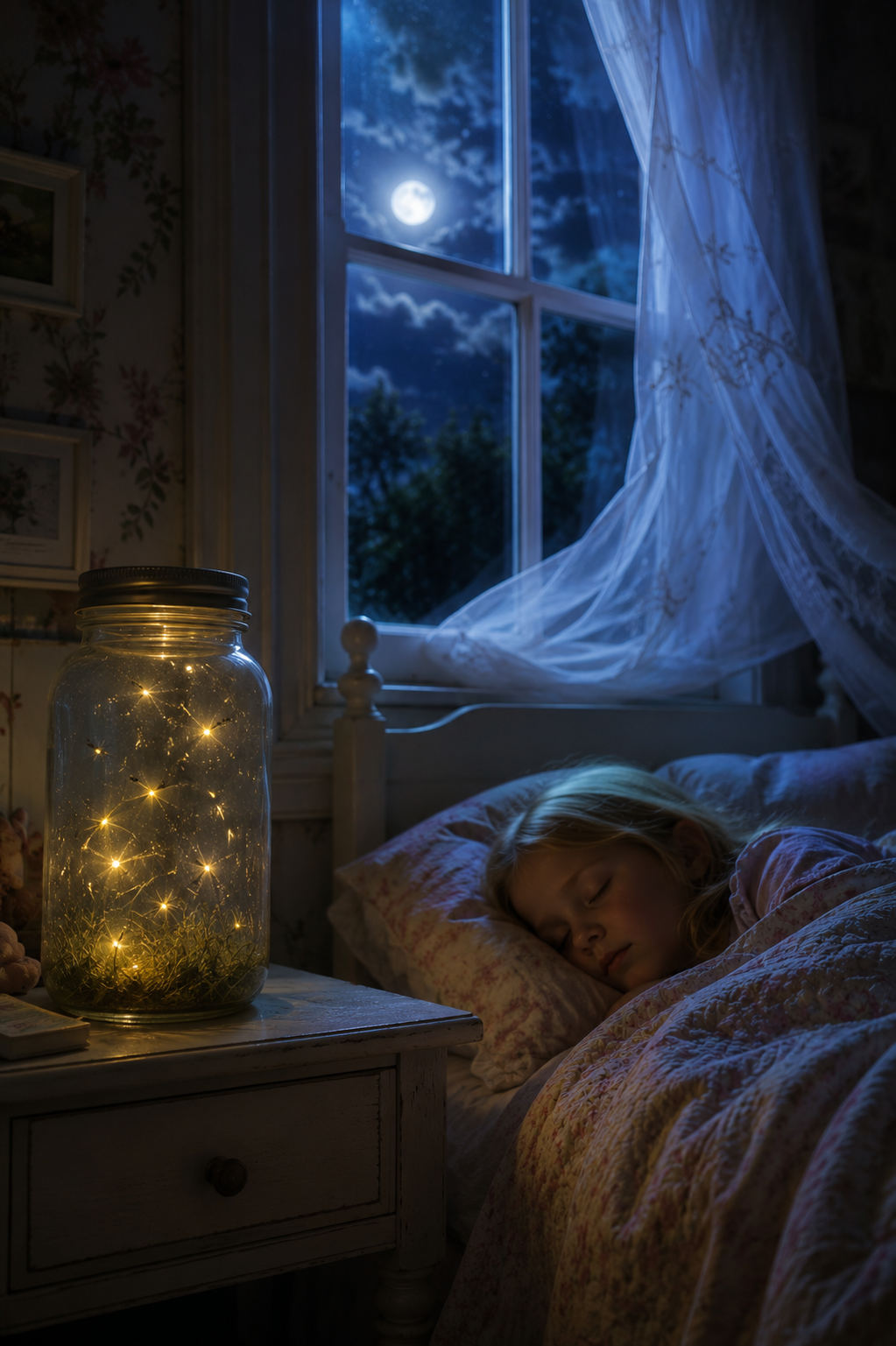
Before dark settled completely in, we’d get sprayed down with bug repellant so we could stay outside just a little longer—running through the yard catching fireflies until our eyes could barely stay open.
Eventually we’d come inside, take our baths, and climb into bed beside wide-open windows.
The cool night air would drift softly across our faces while the peepers sang their evening songs outside in the darkness. That sound—the frogs, the breeze, the quiet movement of the curtains—became part of falling asleep.
And somehow, sleep felt deeper back then.
Homes felt calmer.
Life felt slower.
The outdoors was never something separate from us.
It was simply part of how we lived..
🏡 Homes Used To Feel Connected To The Outdoors
Back then, homes breathed with the seasons.
Windows stayed open.
Screen doors slammed all day long.
Fresh air drifted through kitchens while dinner cooked on the stove.
Laundry dried outside beneath the sun and wind.
People aired out their homes naturally.
Not because it was trendy.
Not because a wellness influencer told them to.
Because it was normal.
Homes smelled like:
- sunshine
- fresh bread
- rainstorms
- wood floors
- gardens drifting through open windows
And somehow…
life felt softer.
Also Read 📖What Is “House Burping”? And Why Your Home Air Might Be Dirtier Than You Think
🌿 The Home Was Part Of Life—Not Separate From It
Older homes weren’t sealed off from nature.
You heard:
- rain on the roof
- crickets through the screen windows
- the breeze moving through curtains
- birds outside in the morning
The outdoors and the indoors existed together.
There was movement.
Fresh air.
Natural light.
And maybe without realizing it, people stayed more connected to the rhythms of life itself.
🧠 Modern Living Changed Everything
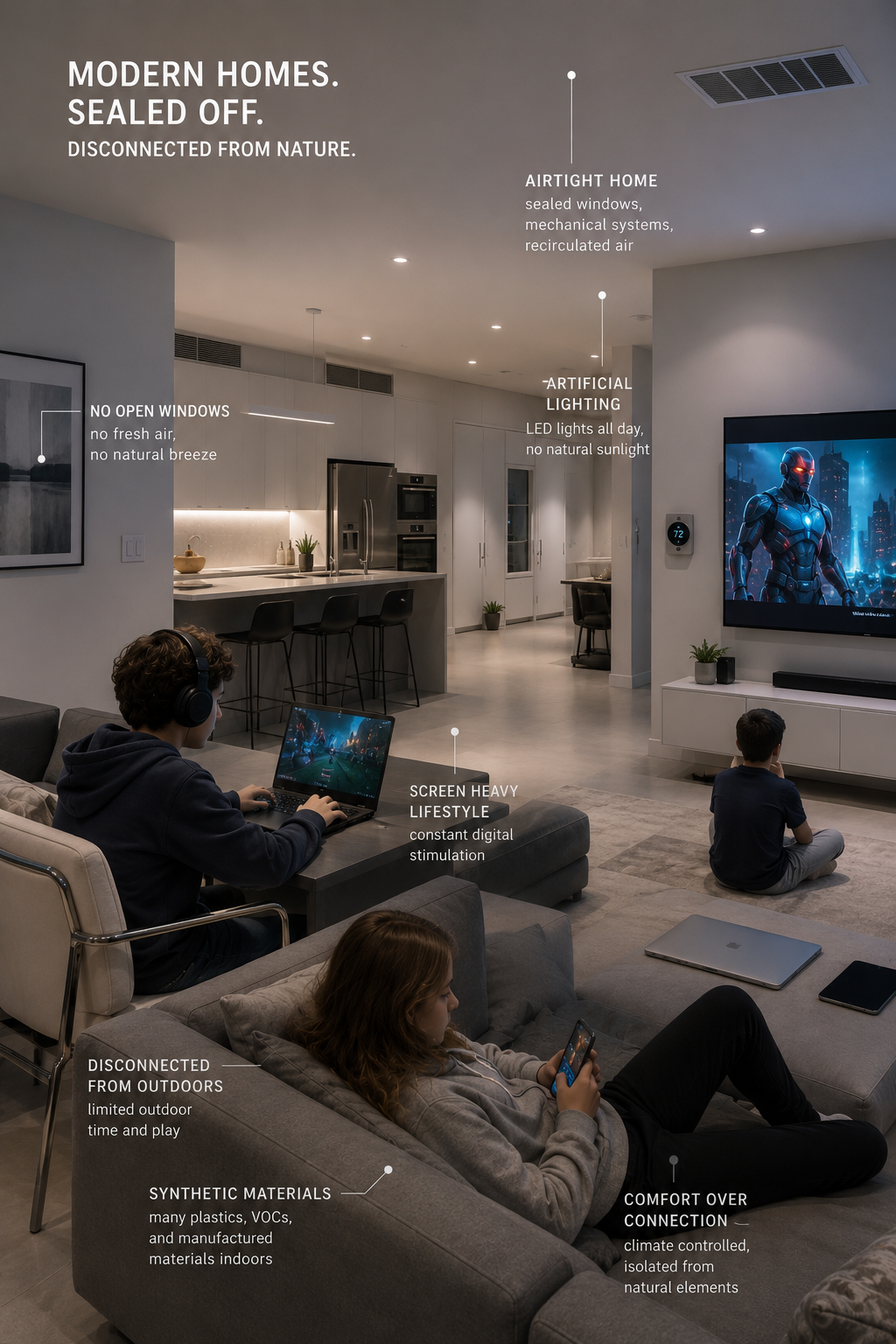
Today, many of us spend most of our lives:
- indoors
- under artificial LED lighting
- breathing recirculated air
- surrounded by screens
- disconnected from the outdoors
Even our homes have changed.
Modern houses are:
- tighter
- quieter
- more insulated
- more energy efficient
And while those things absolutely have benefits…
they also changed how homes feel.
Somewhere along the way, we became incredibly good at sealing ourselves off from the outside world.
🌬️ Homes Stopped Breathing
Modern homes are often built almost airtight.
Windows stay closed.
HVAC systems continuously recirculate the same indoor air.
Artificial fragrances replace fresh airflow.
Climate control replaced open breezes.
LED lights replace natural sunshine.
And because of that, many homes quietly hold onto:
- stale air
- trapped moisture
- indoor pollutants
- artificial fragrances
- VOCs from furniture, cleaners, flooring, and synthetic materials
The result?
Homes can sometimes feel heavier—even when they look perfectly clean.
🧪 What Are VOCs?
VOCs (Volatile Organic Compounds) are gases released from everyday household items.
Things like:
- furniture
- flooring
- candles
- laundry products
- air fresheners
- paint
- synthetic fabrics
- some cleaning products
Most people never think about them.
But in tightly sealed homes, these compounds can build up over time simply because there’s very little fresh air exchange happening naturally anymore.
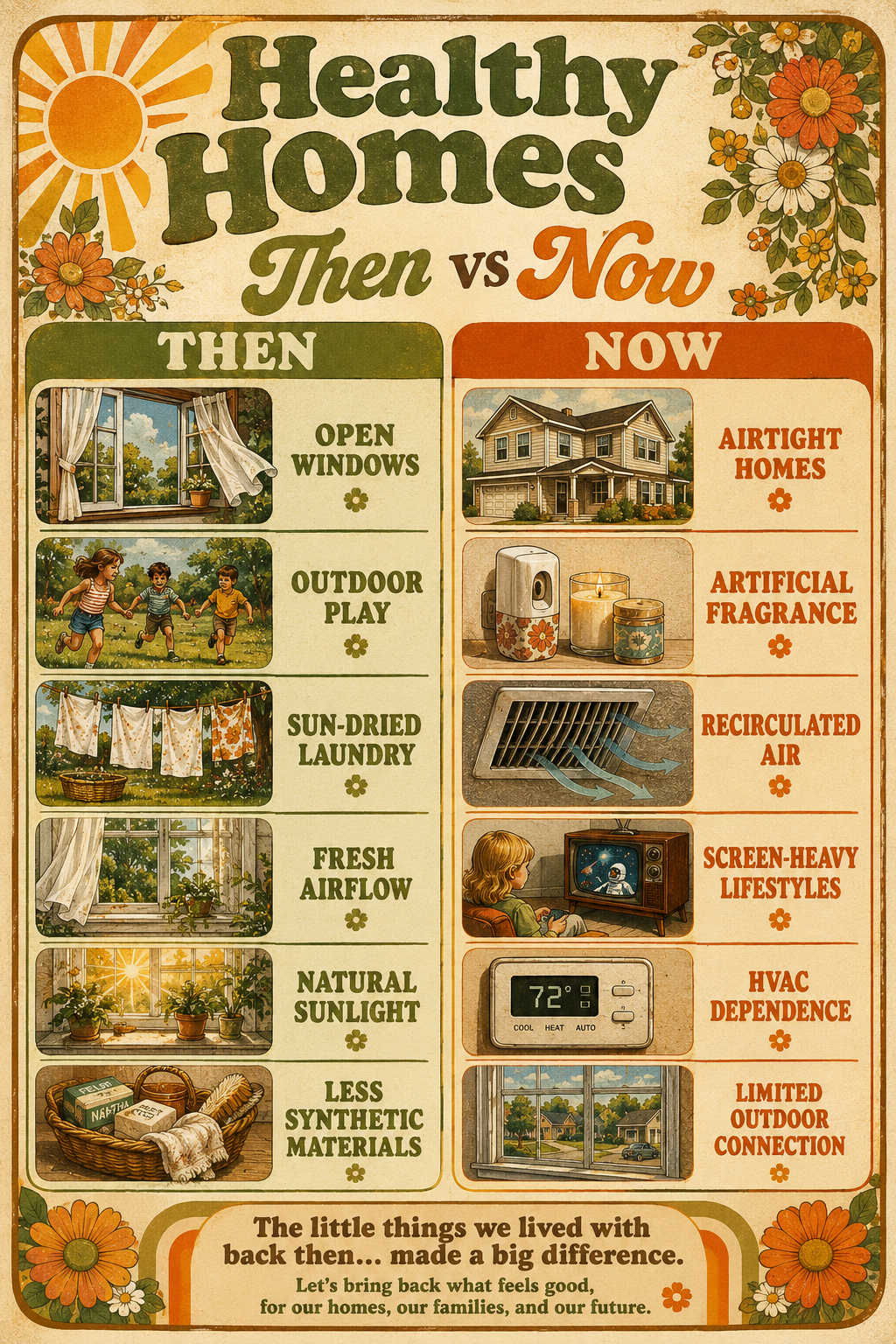
☀️ Sunlight Used To Be Part Of Cleaning
Older generations relied on things we barely think about now:
- sunlight
- airflow
- open windows
- outdoor drying
- fresh breezes
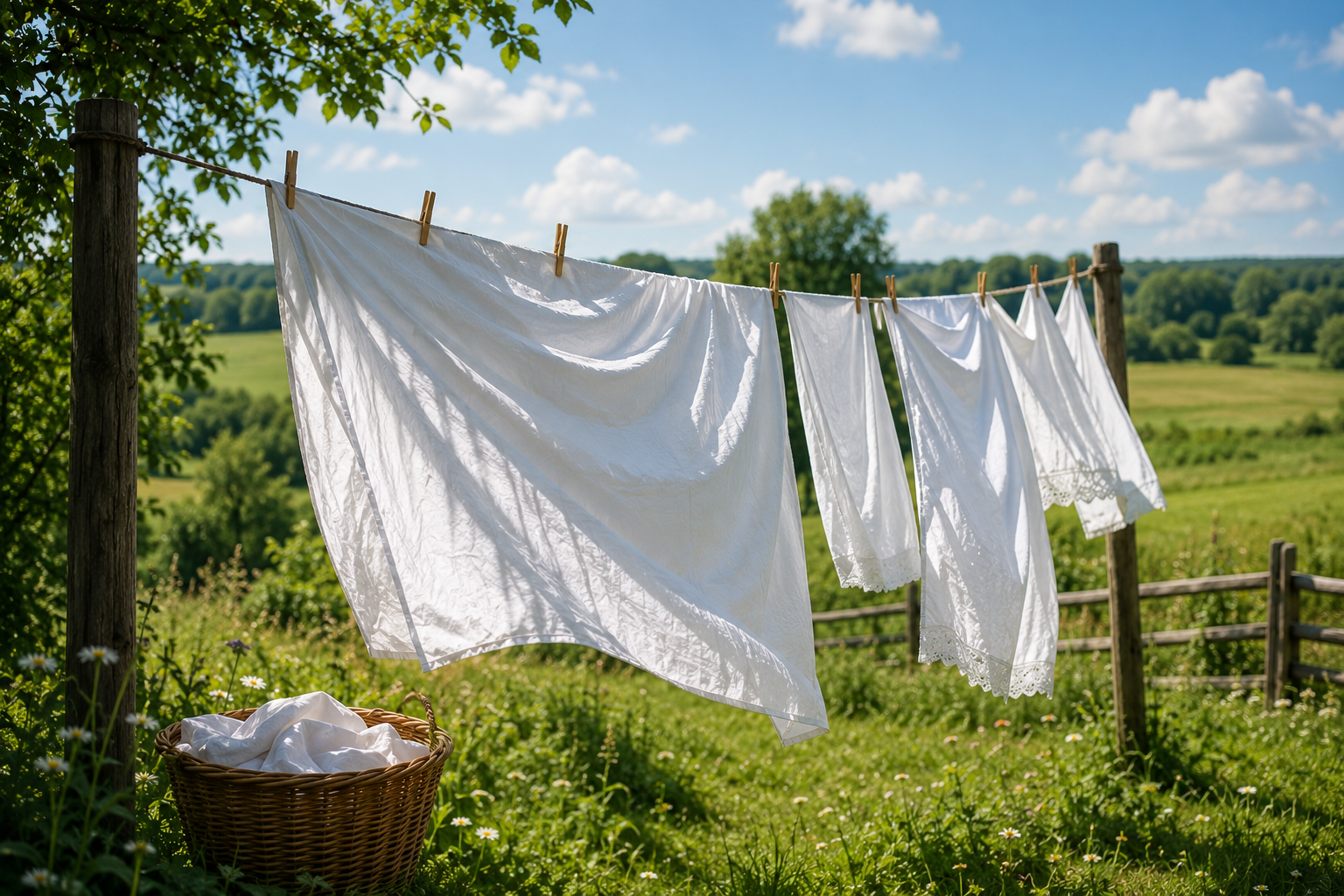
Bedsheets dried outside.
Mattresses were aired out.
Rugs were beaten outdoors.
Windows opened almost daily.
Sunlight and airflow weren’t considered “wellness trends.”
They were simply part of caring for a home.
And interestingly enough, modern science continues discovering just how important natural light, airflow, and healthy indoor environments truly are for both physical and emotional wellbeing.
🌿 Maybe We Weren’t Meant To Live Sealed Away
This doesn’t mean modern homes are bad.
Comfort matters.
Efficiency matters.
Technology matters.
But maybe balance matters too.
Human beings were never designed to spend nearly every hour:
- indoors
- disconnected from nature
- breathing recycled air
- surrounded by artificial stimulation
Fresh air changes how a home feels.
Sunlight changes how people feel.
Open windows change the energy of a space.
Sometimes even emotionally.
🪟 The Lost Art Of Letting A Home Breathe
Something as simple as:
- opening windows
- letting sunlight in
- hearing the breeze
- drying sheets outdoors
- allowing fresh air to move through the home
…can completely change the atmosphere of a space.
Not just physically.
Emotionally too.
Because homes aren’t just buildings.
They’re environments that shape:
- stress
- comfort
- rest
- mood
- memory
- family life
And maybe that’s why older homes stay with us so deeply.
Not because they were perfect…
but because they felt alive.
🌿 The Shellee’s Philosophy
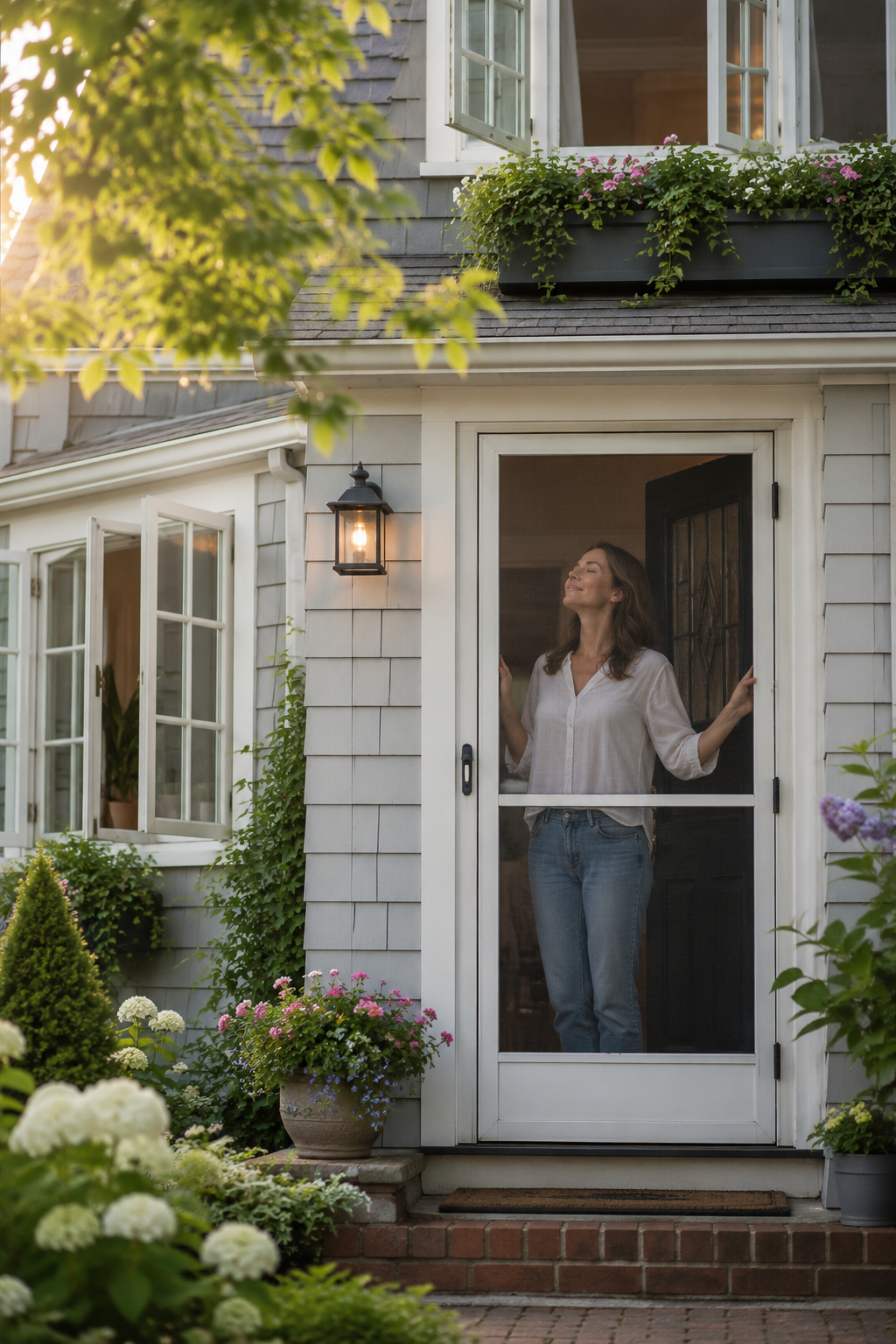
At Shellee’s Green Clean, we believe healthy homes should feel connected to life—not sealed away from it.
Not chemically overwhelming.
Not artificially perfumed.
Not sterile and disconnected.
Just:
- fresh air
- sunlight
- healthy habits
- thoughtful cleaning
- and homes that genuinely feel good to live in
Because sometimes the healthiest things aren’t complicated at all.
Sometimes…
it’s simply opening the windows and letting your home breathe again.
10 FAQs
1. How has modern living changed the way homes feel?
Modern living has made many homes more airtight, climate-controlled, and screen-centered, which can reduce fresh air, natural sunlight, and connection to the outdoors.
2. Are airtight homes bad for indoor air quality?
Airtight homes are energy efficient, but without regular ventilation, they can trap stale air, moisture, odors, VOCs, and indoor pollutants.
3. What are VOCs in modern homes?
VOCs, or volatile organic compounds, are gases released from everyday items like furniture, flooring, paint, candles, air fresheners, and some cleaning products.
4. Why does fresh air matter in a home?
Fresh air helps dilute stale indoor air, move out trapped odors and pollutants, and make a home feel lighter, cleaner, and more comfortable.
5. Can being indoors too much affect wellbeing?
Yes. Spending most of the day indoors with limited natural light, fresh air, and outdoor connection may contribute to stress, fatigue, low mood, and mental burnout.
6. Why did older homes feel more connected to nature?
Older homes often had open windows, screen doors, natural airflow, outdoor-dried laundry, and more daily interaction with fresh air and sunlight.
7. Does sunlight help a home feel healthier?
Yes. Natural sunlight can brighten rooms, support daily rhythms, reduce dampness in some spaces, and make a home feel warmer and more inviting.
8. Are artificial fragrances a good replacement for fresh air?
No. Artificial fragrances may cover odors, but they do not replace ventilation or remove stale air and may add more airborne compounds to the home.
9. What simple habits can help make a modern home healthier?
Open windows when weather allows, let sunlight in, reduce unnecessary fragrances, clean regularly, control moisture, and spend more time outdoors.
10. What is the main idea behind healthy home living?
Healthy home living is about balance: clean surfaces, fresh air, natural light, thoughtful products, and daily habits that support both the home and the people living in it.