


Tiny Particles, Big Conversation
A few years ago, most people had never heard the word "microplastic." Today, it seems impossible to scroll through the news without seeing another headline about plastic particles being found somewhere unexpected.
In drinking water.
In seafood.
In household dust.
Even in remote environments far from major cities.
So are microplastics really everywhere?
According to current research in 2026, the answer appears to be yes—but understanding what that actually means requires looking beyond the headlines.
At Shellee's Green, we believe informed decisions are always better than fear-based reactions. Let's examine what scientists know, what they're still studying, and how you can reduce unnecessary exposure without turning your life upside down.
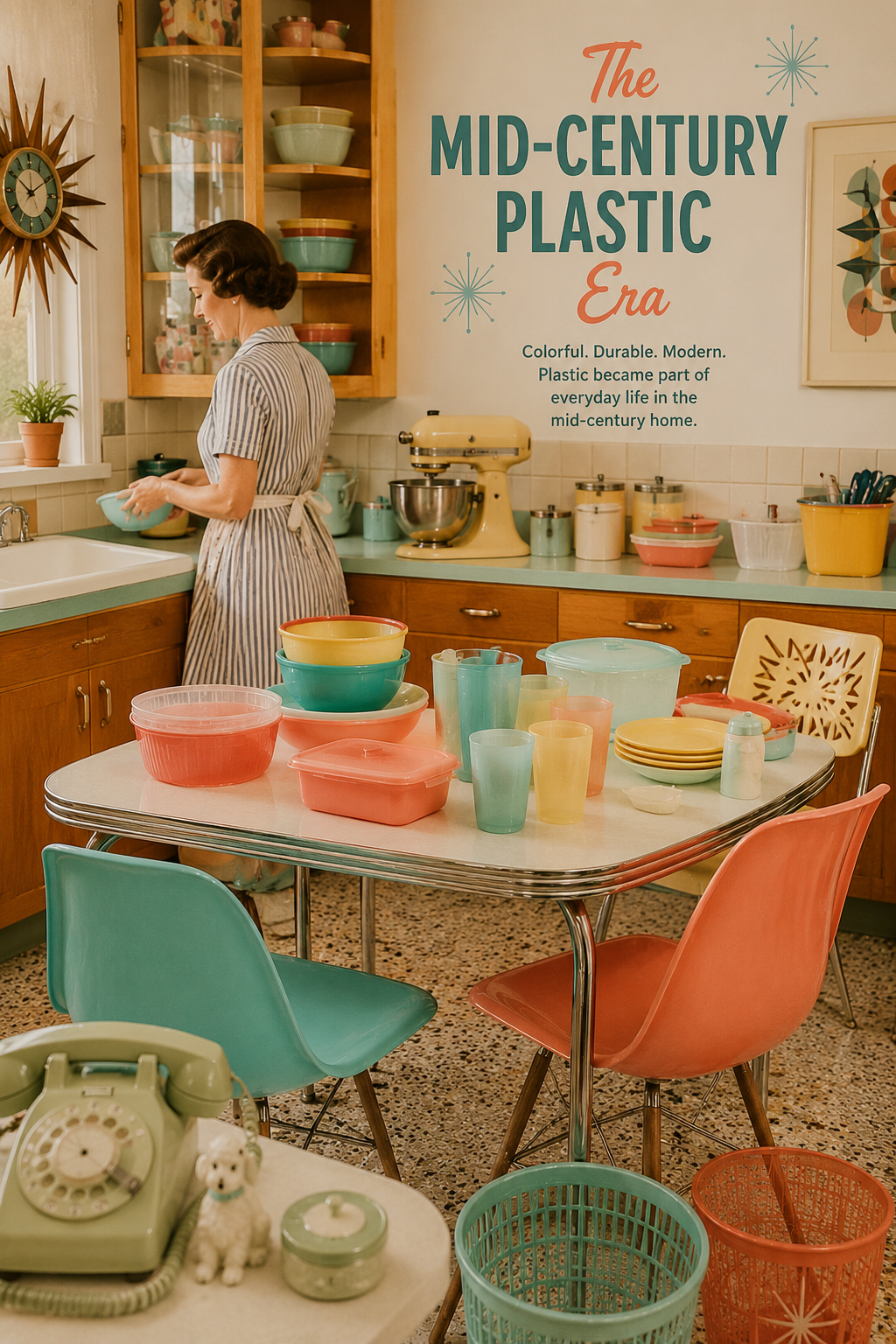
How Did Plastic Become So Common?
A hundred years ago, plastic was considered a scientific breakthrough.
Early plastics began appearing in the late 1800s and early 1900s as manufacturers searched for alternatives to expensive natural materials such as ivory, shellac, and rubber.
By the mid-20th century, plastic production exploded because it was:
- Lightweight
- Durable
- Inexpensive
- Easy to manufacture
- Resistant to moisture and corrosion
These qualities helped transform modern life.
Plastic improved food preservation, medical devices, transportation, electronics, and countless everyday products.
The challenge is that the same durability that made plastic revolutionary also makes it persistent in the environment.
Unlike natural materials that break down relatively quickly, many plastics can remain in the environment for decades or even centuries.
What Is Plastic Actually Made Of?
Most plastics are made from petroleum or natural gas.
Through industrial processing, these raw materials are converted into long chains of molecules called polymers.
Think of a polymer like a very long chain made of thousands of connected links.
Different combinations create different plastics:
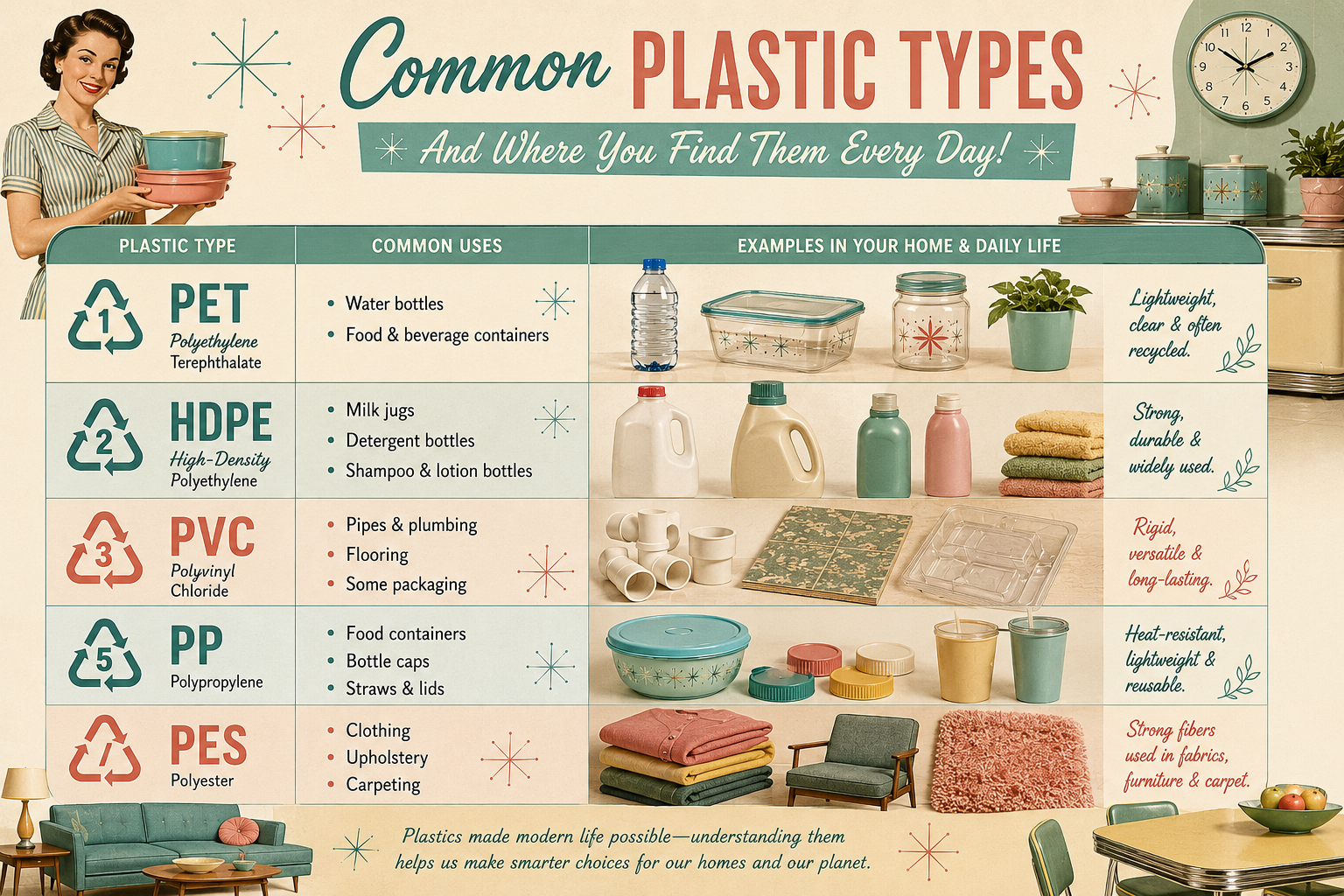
These materials are engineered to resist breakdown, which is one reason they are so useful—and why they can eventually become environmental pollutants when discarded.
What Are Microplastics?
Microplastics are extremely small plastic particles generally measuring less than five millimeters in size.
Some are intentionally manufactured for industrial uses, while others form when larger plastic items gradually break down through sunlight, friction, weathering, and everyday use.
Common sources include:
- Synthetic clothing fibers made from recycled water bottles
- Food packaging that is covered in plastic
- Plastic containers that are often put in microwaves without thinking twice
- Vehicle tire wear as airborne dust near roads
- Household products like synthetic Carpets, Upholstery, Plastic cutting boards and Cleaning pads and sponges
- Industrial materials that runoff into waterways or are transported by wind
- Outdoor plastic waste such as plastic bags and food wrappers that Breaks down into soil and enters food chains
Many of these particles are too small to see with the naked eye.
Because plastic materials are so widely used throughout modern society, microplastics can travel through water systems, air currents, soil, and indoor environments.
Where Are Scientists Finding Microplastics?
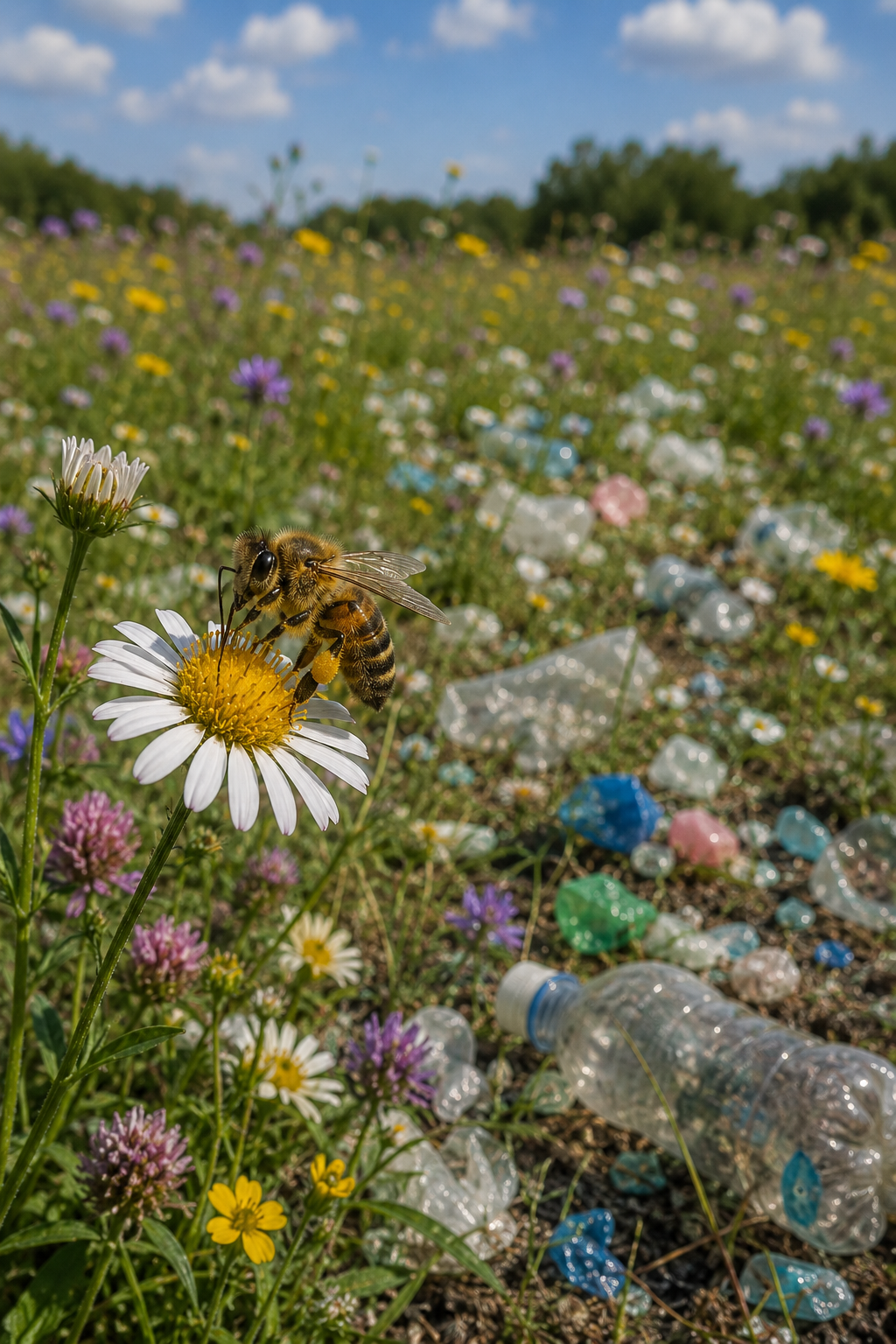
Research continues to identify microplastics in an expanding range of environments.
Studies have detected them in:
Water Sources
Researchers have identified microplastics in oceans, lakes, rivers, groundwater, and treated drinking water systems.
Food
Trace amounts have been detected in:
- Seafood
- Salt
- Honey
- Produce
- Packaged foods
Indoor Air
Indoor spaces often contain microplastic particles originating from:
- Carpeting
- Upholstered furniture
- Synthetic textiles
- Household dust
Household Dust
Many experts believe household dust may represent one of the most common exposure pathways because people spend significant amounts of time indoors.
Why Is Everyone Talking About Microplastics Now?
The science surrounding microplastics has advanced rapidly during the past decade.
Improved laboratory technology now allows researchers to detect particles that previously went unnoticed.
As detection methods improve, scientists are discovering just how widespread these materials have become.
This does not necessarily mean the problem suddenly appeared.
In many cases, researchers are simply becoming better at measuring what was already present.
What Do We Actually Know About Health Effects?
This is where many headlines become misleading.
Scientists have confirmed that microplastics exist in many parts of the environment and can enter the human body through food, water, and inhalation.
However, researchers are still working to understand:
- Long-term exposure effects
- Biological interactions
- Exposure thresholds
- Relative risk levels
- Differences among plastic types
Current research suggests this is an important area of study, but many questions remain unanswered.
Responsible science means acknowledging both what is known and what is still being investigated.
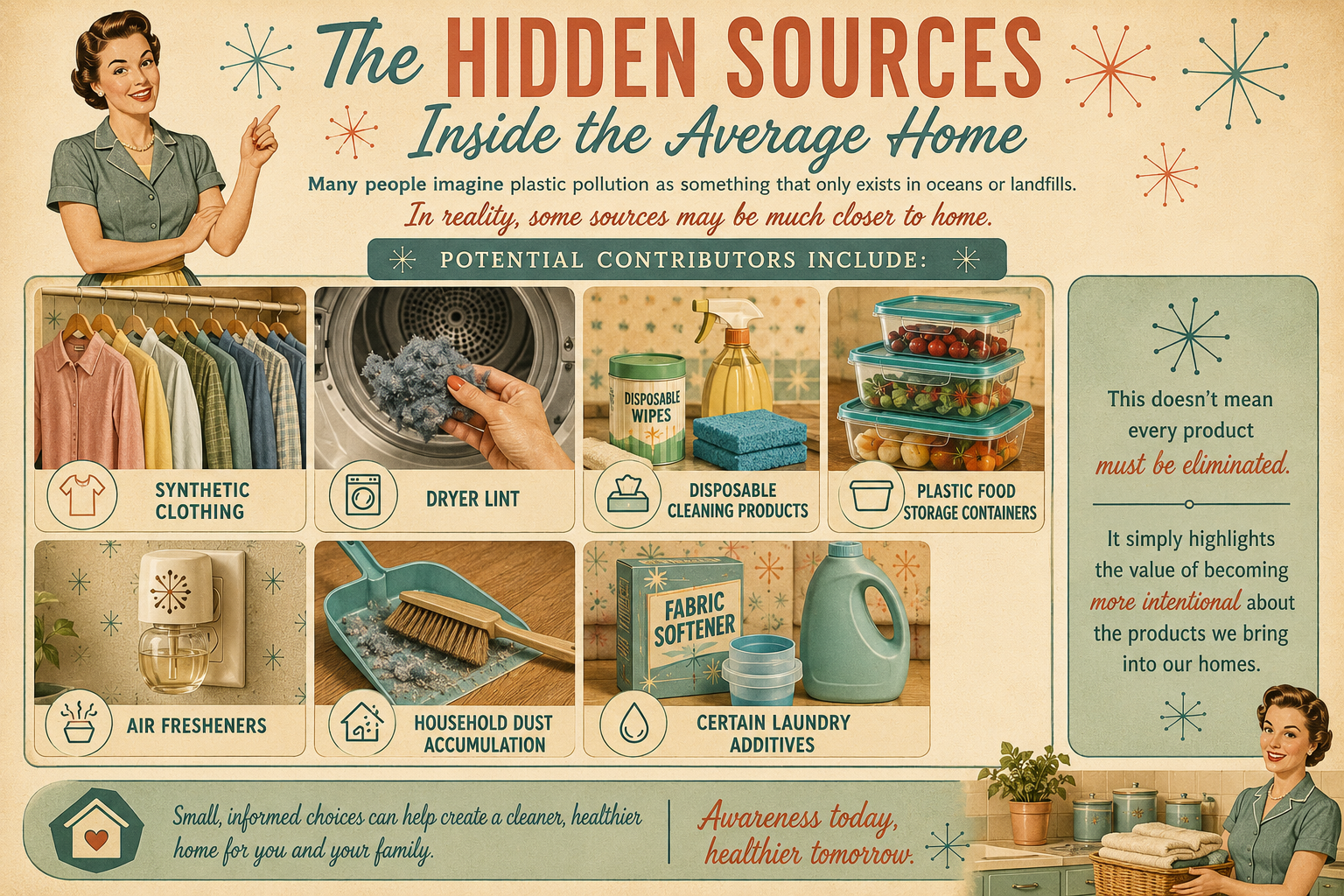
Practical Ways to Reduce Microplastic Exposure Without Feeling Overwhelmed
One of the biggest misconceptions about microplastics is that reducing exposure requires a total lifestyle overhaul.
It doesn’t.
You do not need to throw away every plastic container, replace your entire wardrobe, or panic every time you see a laundry tag that says polyester. The goal is not perfection. The goal is awareness, progress, and making the easiest changes first.
Think of this as a step-by-step reset for your home.
Step 1: Start With the Dust
Household dust is one of the simplest places to begin because tiny fibers and particles can settle on floors, furniture, windowsills, and soft surfaces.
Start with the basics:
- Dust with a damp cloth instead of dry dusting
- Vacuum regularly, especially carpets, rugs, and upholstered furniture
- Use a vacuum with a quality filter when possible
- Wash throw blankets, curtains, and soft textiles on a reasonable schedule
- Leave shoes at the door to reduce outdoor particles being tracked inside
This is not about creating a spotless house. It is about reducing the buildup of particles that naturally collect in everyday living spaces.
Step 2: Make Laundry a Little Smarter
Synthetic fabrics such as polyester, nylon, acrylic, and fleece can shed tiny fibers during washing and drying. That does not mean you have to replace your clothing overnight.
Instead, try a few simple laundry habits:
- Wash full loads when possible to reduce friction
- Use cooler water when appropriate for the fabric
- Choose gentle cycles for synthetic clothing
- Clean dryer lint traps after every load
- Consider air drying synthetic garments when practical
- Choose natural fibers like cotton, linen, wool, or hemp when buying new items
A good rule: do not panic over what you already own. Just make more intentional choices when it is time to replace something.
Step 3: Reconsider Single-Use Plastics
Single-use plastics are items used briefly and then thrown away, such as disposable water bottles, plastic bags, straws, utensils, and some takeout containers.
This is one of the easiest areas to improve because small swaps can become automatic:
- Keep a reusable water bottle nearby
- Store leftovers in glass or stainless steel when possible
- Bring reusable bags to the store
- Choose products with less packaging when it makes sense
- Reuse containers safely when they are still in good condition
The goal is not to eliminate every single plastic item. The goal is to reduce the plastics that enter and leave your home the fastest.
Step 4: Be Gentle With Food Storage
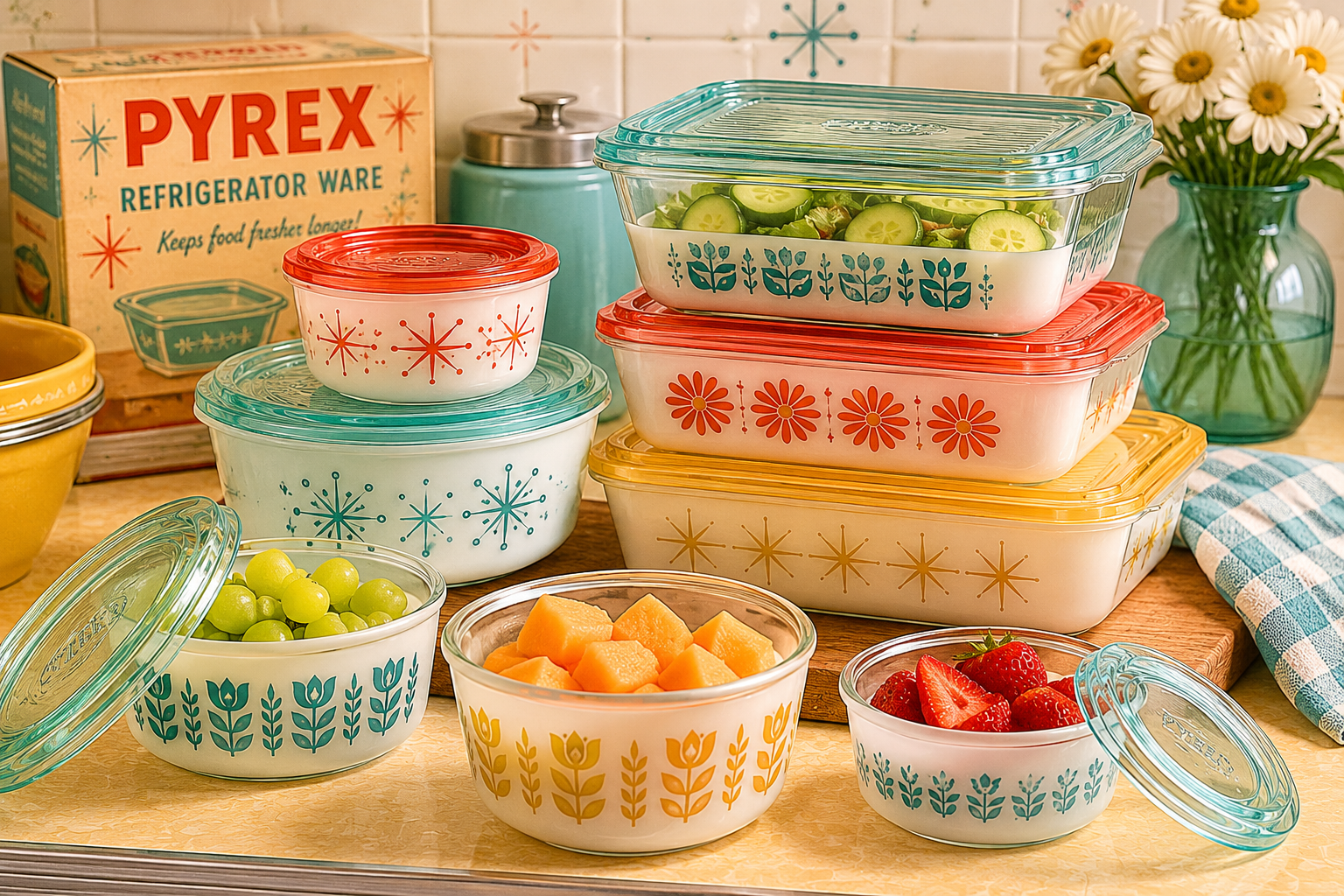
Plastic food containers are convenient, but heat, scratches, and wear can make them break down faster over time.
A simple approach:
- Avoid microwaving food in plastic containers
- Let hot food cool before placing it into plastic
- Replace containers that are cloudy, cracked, scratched, or warped
- Use glass jars or glass storage containers when practical
- Avoid cutting food directly on plastic surfaces that are deeply worn
This is an easy “use what you have, upgrade as needed” category. No guilt required.
Step 5: Improve Indoor Air Quality
Microplastics and synthetic fibers can become part of indoor dust and airborne particles. Supporting better air quality can help reduce what circulates inside the home.
Helpful habits include:
- Opening windows when outdoor air quality is good
- Running exhaust fans during cooking and cleaning
- Changing HVAC filters on schedule
- Using an air purifier with an appropriate filter for the room size
- Keeping humidity balanced to reduce dust movement and buildup
Cleaner air is not just about microplastics. It supports the overall comfort and freshness of the home.
Step 6: Choose Simpler Household Products
Many homes are full of sprays, fragrance products, disposable wipes, laundry additives, cleaners, air fresheners, and scented products that leave residues behind.
Start by asking one simple question:
Does this product truly need to be in my home, or is there a simpler option that works just as well?
Helpful swaps may include:
- Choosing reusable cleaning cloths instead of disposable wipes
- Reducing heavily fragranced products
- Using refillable containers when practical
- Choosing lower-residue cleaning options
- Avoiding unnecessary sprays and air fresheners
This is where Shellee’s Green thinking really matters. A healthier home is not built by buying more products. Often, it begins by simplifying what we use every day.
Step 7: Consider Drinking Water Filtration
Some studies have detected microplastic particles in drinking water, including bottled water and tap water. Filtration may help reduce certain particles, depending on the type of system used.
When choosing a filter, look for:
- Clear performance information from the manufacturer
- Third-party testing or certification when available
- Filter types designed for fine particle reduction
- A maintenance schedule you can realistically follow
A filter only works well when it is changed as directed. Simple and consistent beats fancy and forgotten every time.
Step 8: Use the “Next Best Choice” Rule
This is the most important step.
Do not try to fix everything in one weekend.
Instead, use the next best choice rule:
- When a plastic container wears out, replace it with glass if practical
- When a polyester blanket needs replacing, consider cotton or wool
- When you run out of disposable wipes, try reusable cloths
- When buying laundry products, look for simpler formulas
- When choosing storage, select durable options that last longer
This removes the pressure and makes healthier living feel realistic.
Progress, Not Perfection
At Shellee's Green, we believe one of the healthiest approaches to environmental wellness is avoiding extremes.
You don't need to throw away everything you own.
You don't need to panic every time you encounter plastic.
And you certainly don't need to feel overwhelmed by alarming headlines.
The goal is simply awareness.
As research evolves, practical choices—such as reducing unnecessary chemical products, choosing quality household goods, improving indoor air quality, and minimizing disposable plastics—can help support a healthier living environment.
Shellee's Advice To You...
Microplastics appear to be a reality of modern life. Researchers continue to discover them in water, food, air, and household environments around the world.
While science is still uncovering the full picture regarding long-term health impacts, current research suggests that thoughtful, practical changes can help reduce unnecessary exposure without requiring dramatic lifestyle changes.
But this isn't a reason to feel anxious or overwhelmed.
In many ways, this conversation is simply another reminder that awareness is one of the most powerful tools we have.
You don't need to replace everything you own. You don't need to pursue perfection. And you certainly don't need to fear every plastic item that enters your home.
Instead, focus on what you can control. Dust a little more often. Choose natural fibers when it's time to buy something new. Simplify the products you bring into your home. Make one better choice today than you made yesterday.
Over time, those small decisions add up.
The future of healthier living isn't about perfection. It's about making better choices, one decision at a time.
At Shellee's Green, we believe a healthier home is built through thoughtful habits, practical choices, and a better understanding of the environment we create for ourselves and our families.
Because healthier living doesn't start with perfection.
It starts with awareness.
Got More Questions?
1. What are microplastics?
Microplastics are tiny plastic particles generally smaller than five millimeters that originate from larger plastic products or industrial manufacturing processes.
2. Are microplastics really everywhere?
Research has identified microplastics in water, food, air, soil, and household dust across many parts of the world.
3. Can microplastics be seen with the naked eye?
Most microplastics are too small to be seen without specialized equipment.
4. How do microplastics get into homes?
They can enter through clothing fibers, dust, outdoor air, household products, and consumer goods.
5. Are microplastics dangerous?
Scientists continue studying their long-term impacts. Current research is ongoing, and many questions remain under investigation.
6. What products contribute to microplastics?
Synthetic fabrics, plastic packaging, disposable products, and tire wear are common contributors.
7. Can air purifiers help?
Certain filtration systems may help reduce airborne particles, depending on filter type and effectiveness.
8. Does bottled water contain microplastics?
Some studies have detected microplastic particles in bottled water, although amounts vary widely.
9. Can I completely eliminate microplastic exposure?
Complete elimination is unlikely in modern society, but exposure may be reduced through practical lifestyle choices.
10. What is the easiest place to start?
Improving indoor air quality, reducing unnecessary plastics, and choosing natural fiber products are practical first steps.