


🏡The Lost Art of What Makes Older Homes Feel Fresher...

There are some houses you never really forget.
Not because they were perfect.
Not because they were modern.
And certainly not because they were spotless magazine homes.
You remember them because of how they felt.
For me, it was my great-grandmother’s home in North Anson, Maine.
We called it the family home.
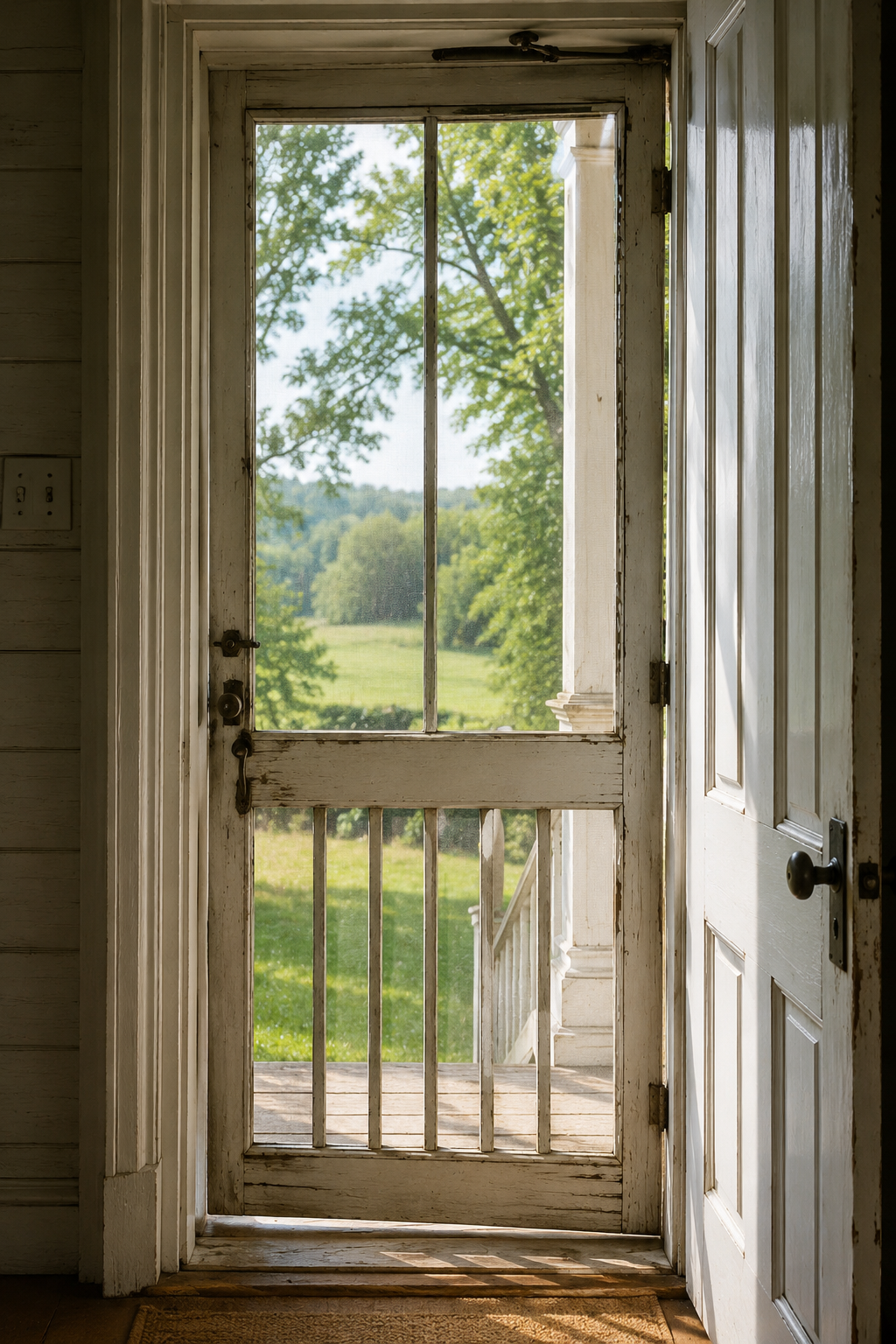
It had one of those old wooden screen doors that never closed quietly. Every time us kids tore through the house chasing each other, that door would slap shut with a sound that somehow still echoes in my memory today.
The windows were enormous—tall enough to nearly reach the floor—and they were almost always open. Curtains moved gently in the breeze. Fresh air drifted through the rooms carrying the smell of grass, sunshine, and whatever my great-grandmother happened to be baking that day.
Usually cookies.
Or fresh bread.
At the opposite end of the kitchen sat an old cast iron cookstove radiating warmth through the house. The place was big, but somehow it still felt cozy. Lived in. Comfortable.
Outside the giant windows, horses grazed quietly in the field near the old Paine Inn. We’d spend hours wandering that old house while the adults visited in the kitchen. We weren’t really supposed to bother them, but honestly, we didn’t care. The house itself felt alive enough to keep us entertained.
And looking back now, I realize something:
Older homes just felt… different.
Cleaner somehow. Fresher. Softer.
Not chemically “clean.”
Not artificially scented.
Just healthy.
And the truth is… there may actually be a reason for that.
🌬️ Homes Weren’t Designed To Be Airtight
For most of history, homes breathed naturally.
Air moved through:
- open windows
- screen doors
- attic spaces
- old wood framing
- loose construction materials
Fresh air constantly cycled through older homes whether people realized it or not.
Especially in places like Maine, families were used to:
- opening windows
- airing out bedding
- hanging laundry outside
- letting sunlight pour in
- “burping” the house regularly
People didn’t necessarily understand the science behind it…
…but they instinctively understood that stale air wasn’t healthy.
And honestly?
They were probably right.
🏠 Modern Homes Changed Everything
Over the last 20–30 years, homes have become dramatically tighter and more energy efficient.
On paper, that sounds great.
And in many ways, it is.
Modern insulation, sealed windows, synthetic building materials, and HVAC systems help:
✅ reduce heating costs
✅ improve energy efficiency
✅ maintain indoor temperatures
But there’s also a downside most people don’t think about.
When homes stop breathing naturally…
👉 everything stays trapped inside.
That includes:
- moisture
- cooking odors
- cleaning chemical residue
- artificial fragrances
- dust
- airborne contaminants
- and something called VOCs.
🧪 What Are VOCs?
VOCs (Volatile Organic Compounds) are gases released from everyday products and materials inside the home.
And surprisingly, they’re everywhere.
Common sources include:
- air fresheners
- candles
- cleaning products
- furniture
- carpets
- paint
- flooring
- laundry products
- synthetic fabrics
Even “clean-smelling” homes can sometimes contain a buildup of trapped indoor pollutants simply because there’s nowhere for them to go.
In older homes, airflow naturally diluted much of this buildup.
In modern airtight homes?
Those compounds can linger far longer than most people realize.
🌿 Why Older Homes Often Felt Fresher
It wasn’t magic.
And it probably wasn’t because older homes were somehow cleaner than modern ones.
It was airflow.
Fresh air changes a home completely.
When windows stay open regularly:
💨 stale air leaves
☀️ humidity balances
🌿 fresh oxygen circulates
🪟 odors dissipate naturally
The house feels lighter.
And people often feel better too.
That’s one reason many people still say:
“Grandma’s house smelled different.”
Because it did.
☀️ Sunlight Played A Bigger Role Too
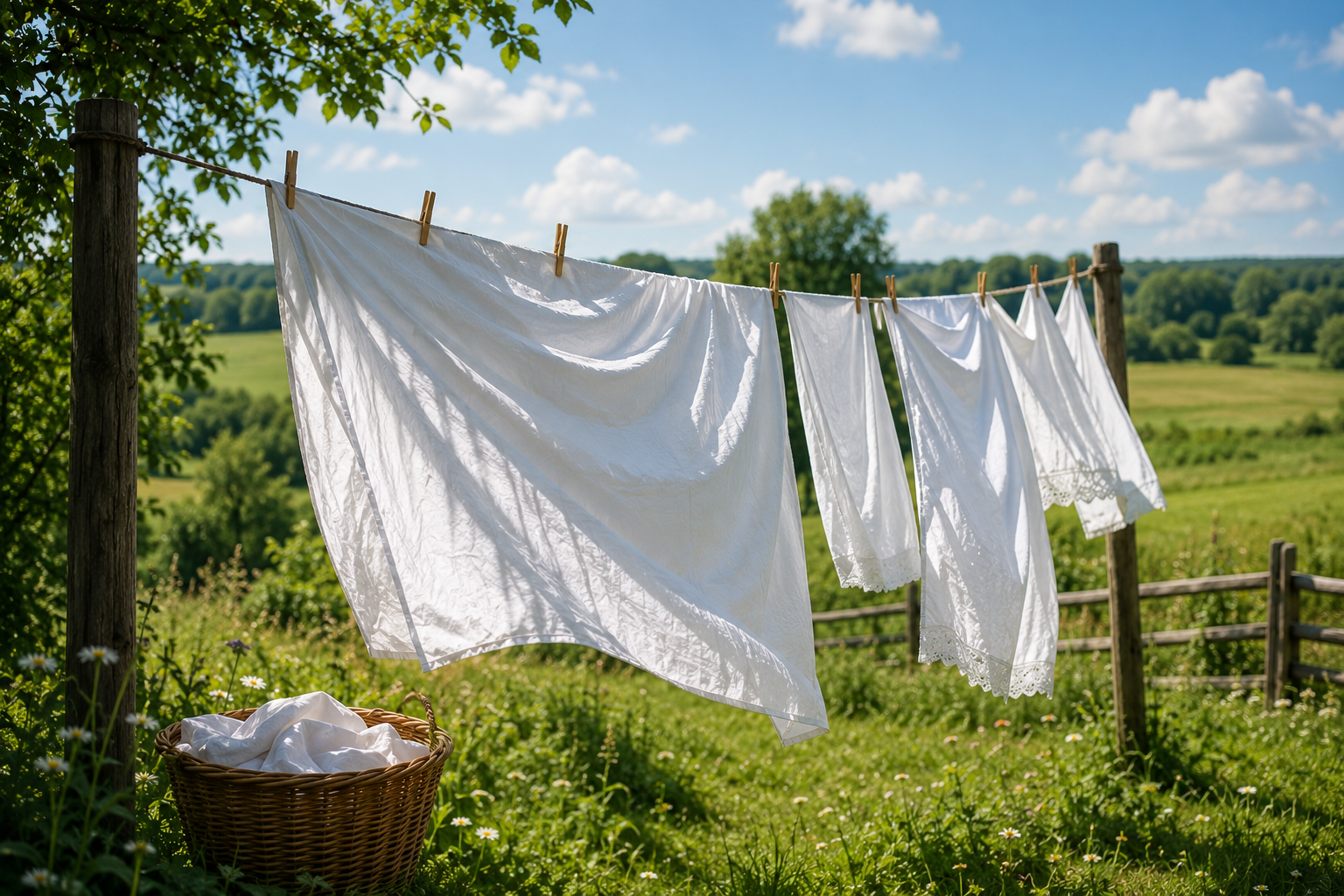
Older generations also relied heavily on:
- sunlight
- airflow
- outdoor drying
- natural ventilation
Bedsheets dried outside.
Mattresses got aired out.
Rugs were beaten outdoors.
Windows stayed open for hours.
Sunlight itself naturally helps reduce moisture and freshness issues inside the home.
Modern homes often stay dark, sealed, and mechanically cooled for months at a time.
Comfortable?
Sure.
But sometimes not particularly fresh.
🌬️ The Lost Habit Of “Airing Out” The Home
Many families used to regularly “air out” the house.
Not because it was trendy.
Because it was normal.
Even in winter, people often cracked windows for short periods to:
- remove stale air
- reduce moisture
- freshen rooms naturally
Today, many homes remain sealed nearly year-round.
Air conditioning replaced open windows.
Artificial fragrance replaced fresh airflow.
And many people have grown so concerned about outdoor pollen, dust, or temperature changes that homes rarely breathe anymore.
But the irony?
Indoor air can sometimes become more polluted than outdoor air when air exchange stops happening regularly.
🧺 Healthy Homes Don’t Always Need More Products
One of the biggest misconceptions in modern cleaning culture is that every problem requires:
- another spray
- another fragrance
- another chemical
- another expensive gadget
But sometimes the healthiest changes are the simplest ones.
Open the windows.
Let sunlight in.
Move fresh air through the home.
That alone can dramatically change how a space feels.
At Shellee’s Green Clean, we believe healthy homes are about balance—not perfection.
Yes, cleaning products matter.
But airflow matters too.
Humidity matters.
Fresh air matters.
Sometimes old-fashioned habits still hold real value.
🌿 Final Thoughts
Maybe that’s why older homes stay with us so deeply.
Why today I prefer an older home to the newer models.
Not because they were flawless…
…but because they feel alive.
The creak of the floorboards.
The screen door slamming shut.
Fresh bread cooling near an open window.
Warm summer air drifting through lace curtains.
Homes have so many stories to tell, memories that have been stored within their walls.
Homes used to breathe.
And maybe ours still should.
Old Fashioned habits really aren't so "Old Fashioned" after all.
10 FAQs
1. Why do older homes feel different?
Older homes often feel different because they were built with more natural airflow, open windows, screen doors, and breathable materials that allowed fresh air to move through the home more easily.
2. Why did older homes seem fresher?
Many older homes were aired out regularly, had large windows, used less synthetic material, and relied more on sunlight and outdoor air to keep rooms feeling fresh.
3. Are modern homes too airtight?
Modern homes are often built tightly for energy efficiency, which is helpful for heating and cooling but can also reduce natural air exchange and trap stale air indoors.
4. What happens when a home does not get enough fresh air?
When a home lacks fresh air, moisture, odors, dust, VOCs, and indoor pollutants can build up, making the home feel stale or heavy.
5. What are VOCs in the home?
VOCs, or volatile organic compounds, are gases released from common household items such as paint, furniture, flooring, air fresheners, candles, and some cleaning products.
6. How did older generations keep homes feeling clean?
Older generations often relied on simple habits like opening windows, airing out bedding, drying laundry outside, letting sunlight in, and regularly moving fresh air through the home.
7. Does opening windows improve indoor air quality?
Opening windows can help dilute stale indoor air, reduce trapped odors, and bring in fresh air, especially when outdoor air quality is good.
8. How often should I air out my home?
Airing out your home daily, even for 10 to 15 minutes, can help. If daily is not realistic, try opening windows several times a week when weather and outdoor air quality allow.
9. Why do modern homes sometimes smell stale?
Modern homes can smell stale because air is often recirculated through HVAC systems, windows stay closed, synthetic materials may off-gas, and moisture or odors can remain trapped indoors.
10. What is the simplest way to help my home feel fresher?
One of the simplest ways is to open windows, allow cross-ventilation, let sunlight in, and reduce unnecessary fragrance-heavy products that may add to indoor air buildup.