


The Truth Behind the Scent
That fresh “clean” smell you love? It’s not always as harmless as it seems. Many cleaning products rely on synthetic fragrance oils to create that scent—but what if those fragrances are doing more harm than good?
At Shellee’s Green Clean, we believe scent should do more than just smell nice—it should support your health, your home, and your environment. That’s where essential oils step in.
Let’s break down the real difference between essential oils and fragrance oils—and why it matters more than most people realize.
What Are Essential Oils? 🌱
Essential oils are highly concentrated plant extracts derived directly from nature. They are typically extracted through steam distillation or cold pressing from:
- Flowers (lavender, rose)
- Leaves (eucalyptus, tea tree)
- Bark (cinnamon)
- Roots (ginger)
- Citrus peels (lemon, orange)
These oils contain the plant’s natural chemical compounds—the same compounds the plant uses for protection, healing, and survival.
Why That Matters
These compounds aren’t just aromatic—they’re functional.
Many essential oils are known for their:
- Antiviral properties
- Antifungal activity
- Antibacterial effects
- Anti-inflammatory benefits
- Mood-enhancing and stress-reducing qualities
In other words, they don’t just mask odors—they actively work against the source.
What Does “Naturally Scented” Really Mean? 🌿⚠️
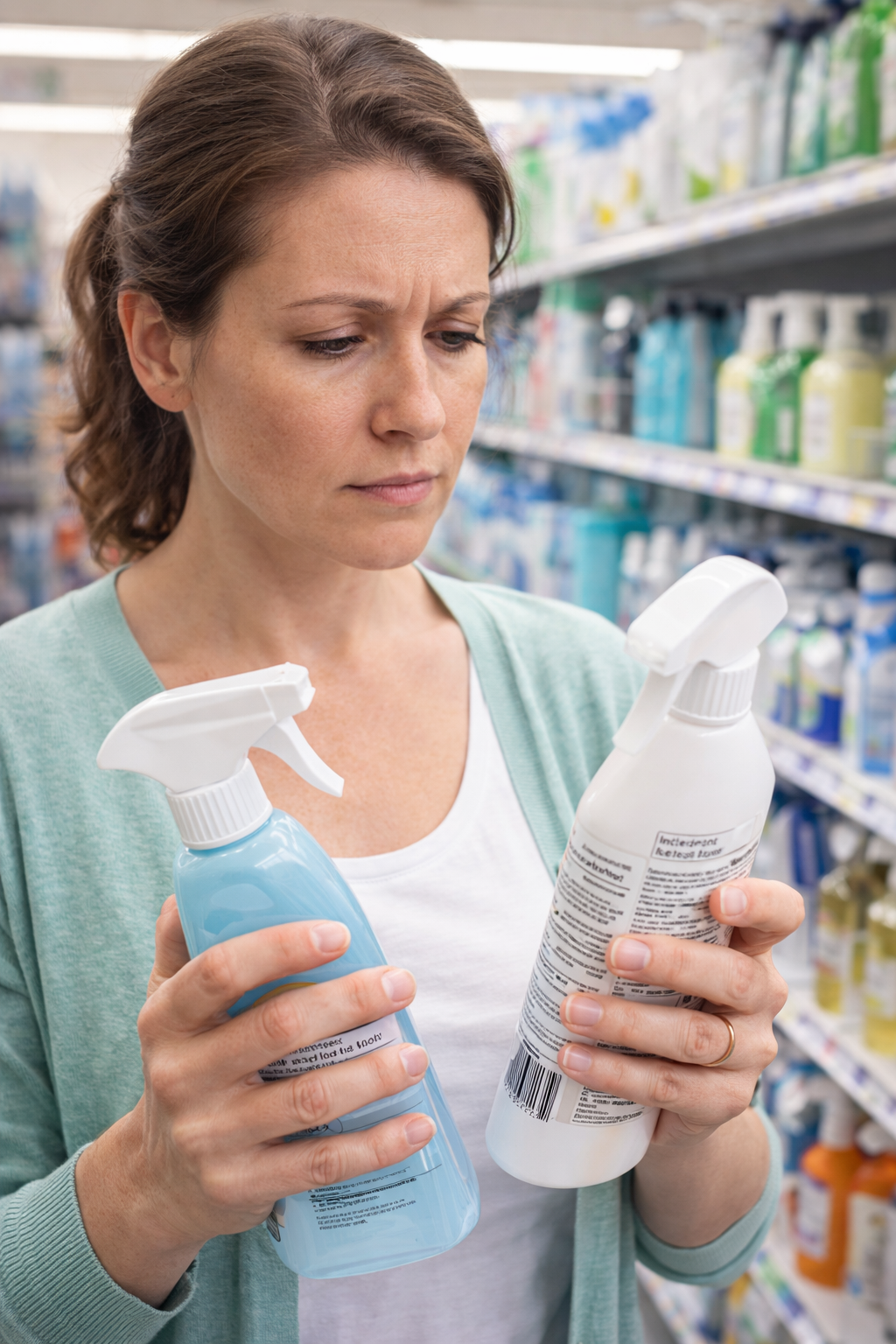
Here’s where things get tricky—and where a lot of companies blur the lines.
The term “naturally scented” sounds clean, safe, and plant-based… but it’s not a regulated term in most cleaning and consumer products.
That means a product labeled “naturally scented” can still contain:
- Synthetic fragrance compounds
- Chemically altered plant-derived ingredients
- Blends that include both natural and artificial components
In many cases, “natural fragrance” is still a formulated blend—not a pure essential oil.
The Key Difference
- True essential oil scenting = comes directly from a plant, extracted through distillation or pressing, with no hidden additives
- “Naturally scented” products = may include processed or modified ingredients that start from nature but are altered in a lab
So while the label sounds reassuring, it doesn’t guarantee:
- Transparency
- Purity
- Functional benefits
Why This Matters
If you’re trying to avoid synthetic chemicals, endocrine disruptors, or unnecessary additives, “naturally scented” can give a false sense of security.
At Shellee’s Green Clean, we don’t hide behind vague labels.
We use real essential oils—clearly, intentionally, and functionally.
What Are Fragrance Oils? 🧪
Fragrance oils (often labeled simply as “fragrance” or “parfum”) are typically synthetic blends designed to mimic natural scents—or create entirely new ones.
These are manufactured in labs using:
- Petrochemicals
- Solvents
- Synthetic aroma compounds
- Fixatives and stabilizers
The exact formula is often protected as a “trade secret,” meaning companies are not required to disclose what’s actually inside.
The Hidden Problem
Many fragrance oils may contain:
- Phthalates (linked to hormone disruption)
- Synthetic musks (bio-accumulative compounds)
- Volatile organic compounds (VOCs)
- Known or suspected endocrine disruptors
These ingredients don’t contribute to cleaning—they simply create the illusion of cleanliness.
Also Read 🌻The Science of Odor Elimination: What Freshener Companies Don’t Want You to Know
Essential Oils vs Fragrance Oils: Side-by-Side
(Pro tip: Save this as a quick reference when shopping for cleaning products.)
| Feature | Essential Oils 🌿 | Fragrance Oils 🧪 |
|---|---|---|
| Source | Natural plant material | Synthetic chemicals / petroleum-derived |
| Function | Active (antimicrobial, antifungal, antiviral) | Passive (scent only) |
| Transparency | Fully traceable | Often undisclosed formulas |
| Health Impact | Generally supportive (when used properly) | May contain toxins or hormone disruptors |
| Environmental Impact | Biodegradable | Can persist in environment |
| Scent Profile | Complex, natural, evolves over time | Strong, uniform, long-lasting |
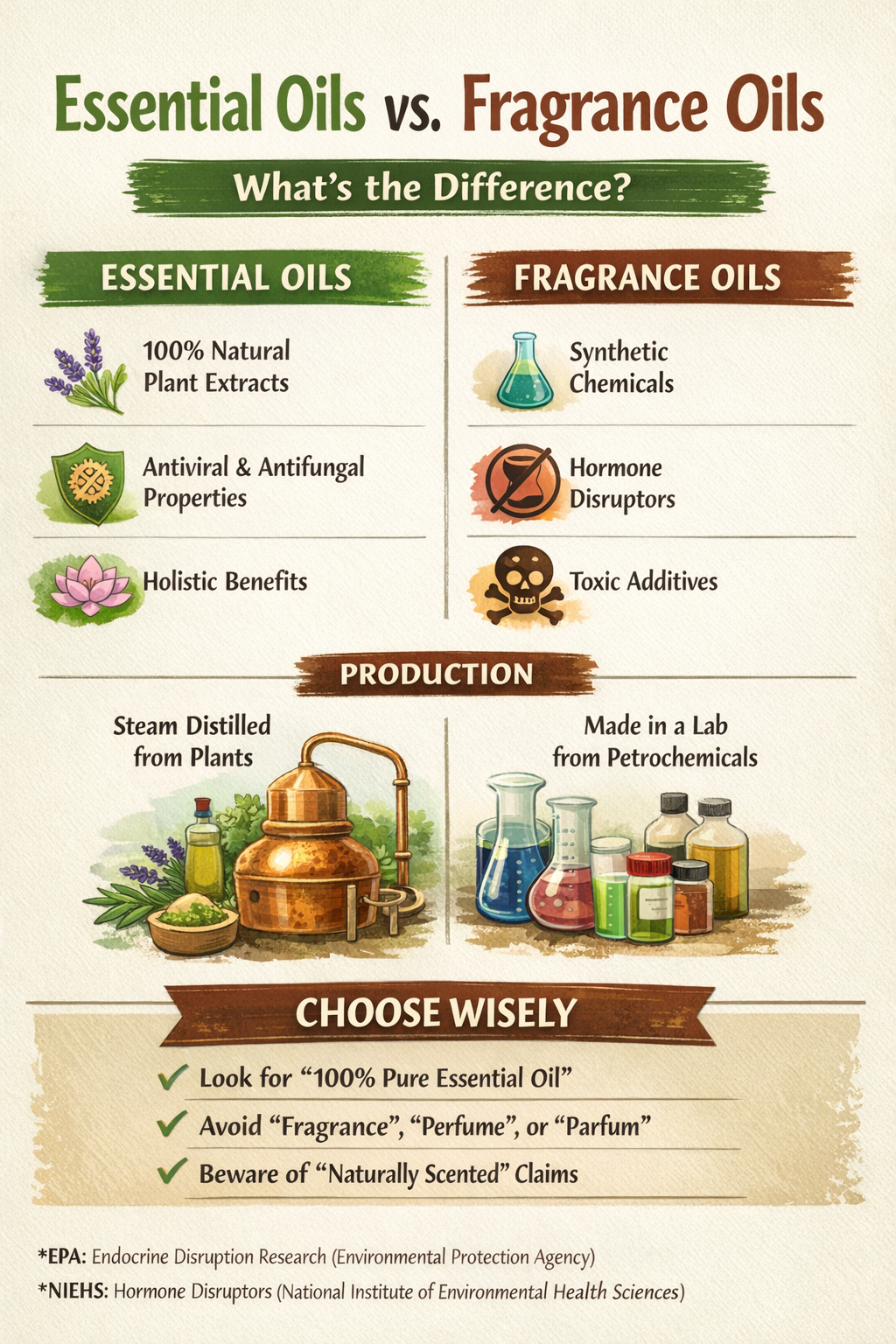
👉 “If it smells clean, it should BE clean—choose function over fragrance.”
The Science Behind the Difference 🔬
Essential oils are made up of natural compounds like:
- Terpenes
- Alcohols
- Esters
- Phenols
These compounds are biologically active. For example:
- Tea tree oil has well-documented antifungal properties
- Eucalyptus oil can support respiratory health
- Lemon oil has natural degreasing and antimicrobial qualities
Fragrance oils, on the other hand, are engineered for scent stability—not biological activity. They are designed to linger, not to work.
The Hormone Disruption Concern ⚠️
One of the biggest concerns with synthetic fragrance oils is their potential to interfere with the endocrine system.
Certain chemicals commonly found in fragrances—like phthalates—have been studied for their ability to:
- Mimic or block hormones
- Disrupt reproductive health
- Impact thyroid function
- Affect development in children
Backed by Research
- The National Institute of Environmental Health Sciences (NIEHS) identifies phthalates as endocrine-disrupting chemicals linked to reproductive and developmental concerns.
- The Environmental Protection Agency (EPA) has also noted that indoor air can contain higher concentrations of VOCs (often emitted from fragranced products), which may impact respiratory and overall health.
This is especially concerning in products used daily in homes, schools, and workplaces.
Also Read 🌻What We Mean When We Say a Product Is Designed for Homes
Label Decoding Checklist 🏷️
Next time you pick up a cleaning product, run it through this quick test:
✔ Does the label list specific essential oils (like lavender oil, tea tree oil)? ✔ Or does it just say “fragrance” or “parfum”?
✔ Does it claim “naturally scented” without explanation?
✔ Are ingredients fully disclosed—or hidden behind vague terms?
✔ Does the product explain what the scent actually does (beyond smelling good)?
Quick Rule of Thumb
- If it says “fragrance” → you don’t really know what’s inside
- If it says “naturally scented” → dig deeper
- If it lists real essential oils → you’re on the right track
Transparency is everything.
Pros and Cons: Keeping It Real
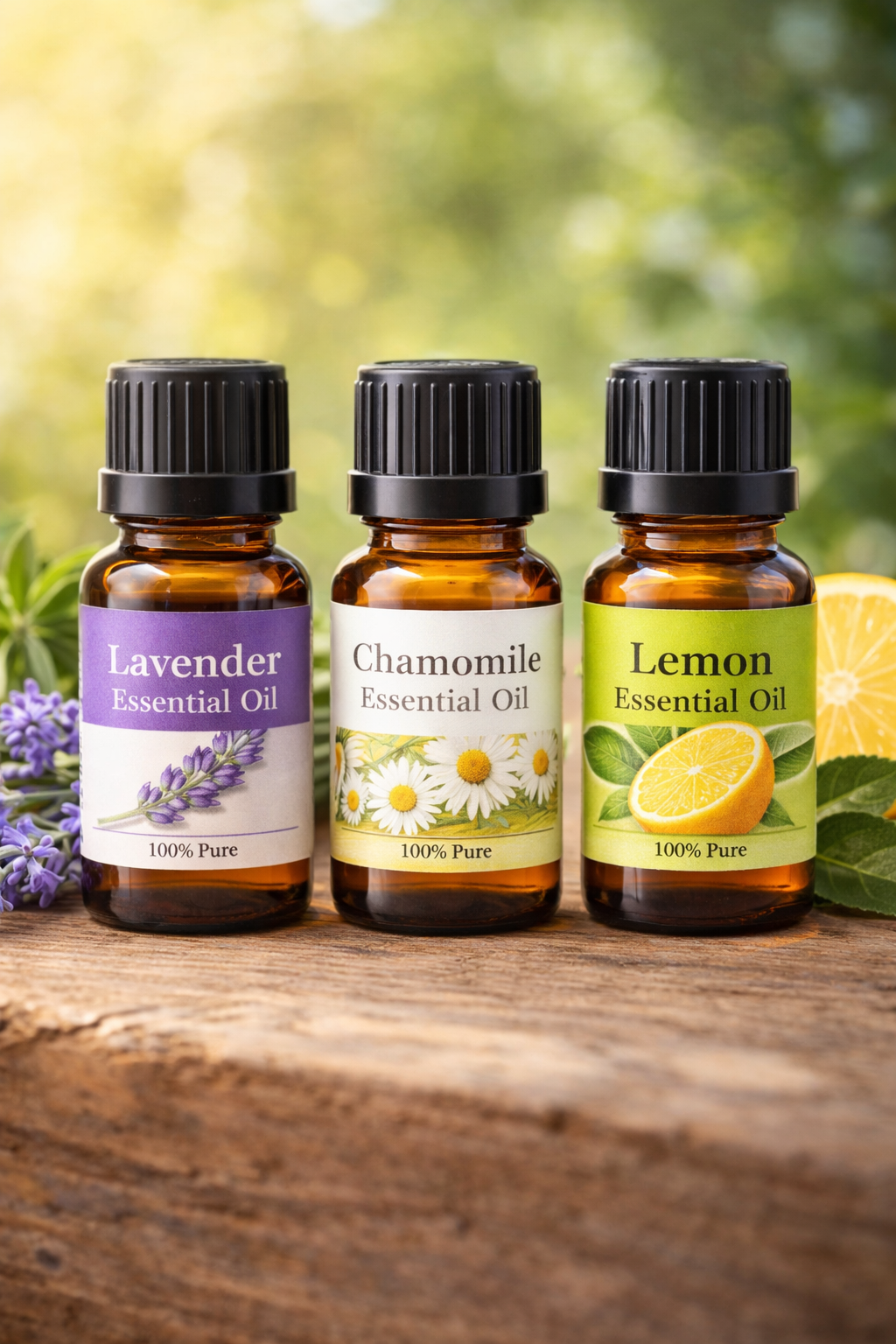
Essential Oils – Pros
✔ Natural and plant-based
✔ Functional benefits beyond scent
✔ Supports cleaner indoor air quality
✔ Aligns with holistic and wellness-focused living
Essential Oils – Cons
✖ Can be more expensive
✖ Require proper formulation and dilution
✖ Not all oils are safe for all people or pets
Fragrance Oils – Pros
✔ Lower cost
✔ Consistent scent
✔ Longer-lasting aroma
Fragrance Oils – Cons
✖ Often contain undisclosed chemicals
✖ May contribute to indoor air pollution
✖ No functional cleaning benefit
✖ Potential hormone-disrupting ingredients
Why This Matters for Your Home 🏡
When you use cleaning products, you’re not just cleaning surfaces—you’re shaping your indoor environment.
Air quality, chemical exposure, and long-term health all come into play.
A “clean” home should:
- Smell fresh naturally
- Be free from harmful residues
- Support the health of everyone inside
Masking odors with synthetic fragrance doesn’t achieve that.
The Shellee’s Green Clean Philosophy 🌿
At Shellee’s Green Clean, we don’t believe in covering up problems—we solve them at the source.
That means:
- Using essential oils with purpose
- Avoiding synthetic fragrance chemicals
- Focusing on true cleanliness, not artificial scent
Because if it smells clean but isn’t clean… what are we really doing?
Also Read 🌻The Problem With One-Size-Fits-All Cleaning Products | Shellee’s Green Clean
Final Takeaway
Essential oils and fragrance oils may smell similar—but they are fundamentally different in origin, function, and impact.
One works with nature. The other imitates it.
And when it comes to your home, your health, and your family—the difference matters.
FAQs: Essential Oils vs Fragrance Oils
1. What is the difference between essential oils and fragrance oils?
Essential oils are natural extracts from plants that contain active compounds with functional benefits, while fragrance oils are typically synthetic blends designed only to provide scent without any cleaning or antimicrobial properties.
2. Are essential oils better than fragrance oils for cleaning?
Yes, essential oils can offer additional benefits such as antibacterial, antifungal, and antiviral properties, while fragrance oils only mask odors without addressing the source.
3. What does “naturally scented” mean on a product label?
“Naturally scented” is not a regulated term and can include both natural and synthetic ingredients. It does not guarantee that a product contains pure essential oils.
4. Are fragrance oils harmful to your health?
Some fragrance oils may contain chemicals like phthalates and VOCs, which have been studied for potential links to hormone disruption and indoor air quality concerns.
5. Do essential oils actually kill bacteria and viruses?
Certain essential oils, such as tea tree, eucalyptus, and lemon, have been shown to have antimicrobial properties, but their effectiveness depends on proper formulation and use.
6. Why do fragrance oils last longer than essential oils?
Fragrance oils are chemically engineered with stabilizers and fixatives to maintain a consistent scent, while essential oils are natural and tend to evaporate more quickly.
7. Can essential oils improve indoor air quality?
When used properly, essential oils can contribute to a fresher environment by addressing odor-causing bacteria, unlike synthetic fragrances that may add to indoor air pollution.
8. Are essential oils safe for everyone?
Not always. Essential oils should be used properly and diluted when necessary, as some may not be suitable for pets, children, or individuals with sensitivities.
9. Why do companies use fragrance oils instead of essential oils?
Fragrance oils are significantly cheaper, more stable, and provide longer-lasting scents, making them more cost-effective for mass-produced products.
10. How can I tell if a product uses real essential oils?
Look for specific ingredients like “lavender oil” or “lemon peel oil” on the label. Avoid vague terms like “fragrance,” “parfum,” or “naturally scented” without clear ingredient disclosure.